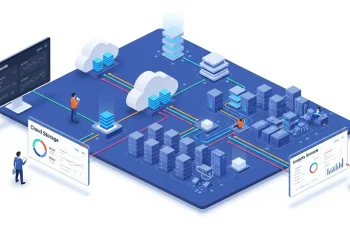
In this article, we explore how ETL pipelines and data integration empower banks to unify data, ensure compliance, and drive insights. We’ll cover best practices, emerging trends, and practical examples tailored to banking needs in 2025.
TL;DR
ETL pipelines and data integration consolidate data from core banking systems, cloud platforms, and regulatory engines, delivering a single, reliable view of data. European banks leverage these tools for automated compliance, real-time fraud detection, and actionable insights across departments. With robust architecture, security, and integration strategies, banks can scale operations efficiently without replacing legacy systems, making ETL and data integration vital to modern banking.
What Are ETL Pipelines in Banking?
ETL (Extract, Transform, Load) pipelines streamline data movement in banks, ensuring consistency and automation. Here’s how they work:
- Extract: Gathers data from sources like core banking systems, CRM platforms, mobile apps, or regulatory feeds.
- Transform: Cleans, standardizes, and enriches data by removing errors, applying business rules, or aggregating metrics.
- Load: Delivers processed data to a central data warehouse, reporting tool, or analytics platform.
For example, a bank generating daily large-transfer reports might extract transaction data, flag transfers over €10,000, enrich them with customer risk profiles, and load the results into a compliance dashboard. This process powers critical banking functions like fraud detection, regulatory reporting, and customer analytics.
Why Data Integration Matters for Banks
Data integration unifies disparate systems to create a cohesive data environment. Recent data highlights its impact:
- 79% of financial institutions have increased cross-departmental data sharing in the last three years, growing at a 24% CAGR (Number Analytics).
- Banks with unified customer data platforms achieve Net Promoter Scores 32 points higher than competitors (Zipdo).
- Integrated data flows reduce cost-to-income ratios by ~6.3% over three years (WorldMetrics).
- Loan decision times drop 63%, from 37 to 13.7 days, with streamlined data (WorldMetrics).
- Over 70% of European banks now support open banking APIs, a key integration method (WorldMetrics).
- Open banking has cut customer onboarding time by 15% in the UK and fraud by 18% across the EU (Zipdo).
These metrics underscore the need for robust data integration to enhance efficiency, customer experience, and compliance in banking.
Best Practices for Building ETL Pipelines in Banking
To maximize the value of ETL pipelines and data integration, banks should adopt these best practices:
1. Define Clear Objectives
Start with a specific goal. For instance:
- “Generate a regulatory report flagging high-risk mortgage loans.”
- “Power a customer insights dashboard for faster relationship management.”
Clear objectives streamline pipeline design, testing, and maintenance.
2. Design Modular Pipelines
Banking systems evolve—new regulations, products, or mergers demand flexibility. Break pipelines into modular steps (extract, clean, enrich, join, load). If a core banking system adds a new field, only one step needs adjustment, saving time and reducing errors.
3. Implement Robust Validation
Validate data at every stage to ensure quality:
- Flag null values in critical fields (e.g., IBANs).
- Reject non-compliant formats.
- Reconcile balances against expected totals.
This prevents errors from reaching reports or risk models.
4. Maintain Data Lineage
Track data’s journey for auditability:
- Log pipeline execution times.
- Record source systems and applied rules.
- Track record pass/fail counts.
Lineage is critical for audits, troubleshooting, and regulatory compliance.
5. Prioritize Transparency
Avoid “black box” pipelines. Design for business users (e.g., risk or compliance teams) with clear documentation and dashboards. This builds trust and reduces reliance on developers.
6. Use Smart Orchestration
Move beyond static schedules (e.g., 2 AM batch runs). Tools like Apache Airflow or Azure Data Factory enable event-driven pipelines:
- Trigger reports after CRM and core banking data are validated.
- Launch fraud alerts when transactions exceed risk thresholds.
This ensures reliable, dependency-aware data flows.
7. Monitor Performance
Pipelines should report:
- Execution time.
- Processed data volume.
- Silent failures.
- Bottlenecks.
Proactive monitoring prevents issues during critical periods like month-end reporting.
8. Segment High-Volume Pipelines
Avoid monolithic pipelines. Split flows by:
- Retail vs. commercial accounts.
- Domestic vs. international transactions.
- Active vs. closed products.
This enhances scalability and simplifies troubleshooting.
Trends Shaping ETL and Data Integration in 2025
European banks are embracing innovative data integration and ETL trends to stay competitive:
- Real-Time Integration: Streaming platforms like Estuary Flow enable instant data processing for fraud detection and customer analytics.
- Cloud-Native Architectures: Hybrid cloud setups balance legacy systems with scalable platforms like Snowflake or AWS.
- AI/ML Automation: Machine learning optimizes transformations and predicts pipeline failures.
- No-Code/Low-Code Tools: Platforms empower non-technical teams to build pipelines, reducing IT bottlenecks.
- Data Fabric and Mesh: Decentralized architectures unify data while maintaining governance.
- Governance Integration: Embedded lineage and compliance ensure regulatory adherence.
- Modular ETL Systems: Replace rigid monoliths with flexible, reusable components.
- Zero-ETL Architectures: Direct data ingestion into analytics platforms minimizes transformation steps.
- iPaaS and AI Security: Integration Platform as a Service (iPaaS) with AI-driven encryption enhances data protection.
Practical Banking Use Cases
- Compliance Reporting: ETL pipelines aggregate transaction data, apply regulatory rules, and load results into reporting tools for GDPR or Basel III compliance.
- Fraud Detection: Real-time integration streams transaction data, flags anomalies, and triggers alerts.
- Customer 360: Data integration unifies CRM, transaction, and digital channel data for personalized services.
- Loan Processing: Integrated pipelines combine credit scores, income data, and market trends to speed up decisions.
Conclusion
ETL pipelines and data integration are indispensable for modern banking, enabling unified data views, compliance, and real-time insights. By following best practices—clear objectives, modular design, robust validation, and smart orchestration—banks can build scalable, audit-ready systems. Emerging trends like real-time integration, AI automation, and cloud-native architectures further enhance efficiency. Combining these approaches ensures banks stay agile, compliant, and customer-focused in 2025 and beyond.