Key Takeaways:
- Strategic planning is essential for successful AI-cloud integration.
- Data management and security are top priorities.
- Scalability and performance optimization require careful planning and execution.
- Continuous monitoring and maintenance ensure long-term success.
- Cost management and resource optimization are critical for staying within budget.
Introduction to AI-Cloud Integration
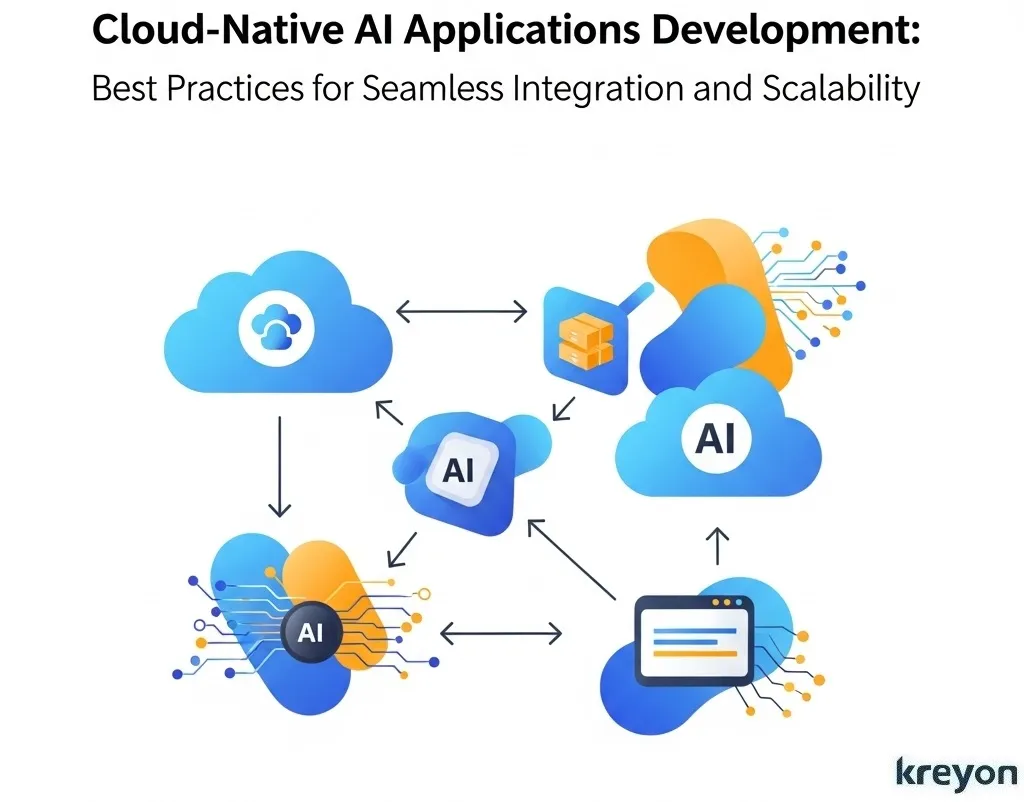
Integrating Artificial Intelligence (AI) with cloud platforms can significantly boost organizational performance, enhance data processing capabilities, and streamline operations. However, it requires meticulous planning, implementation, and ongoing optimization to ensure that both AI and cloud solutions work synergistically. This guide outlines best practices to follow, enabling businesses to leverage AI-cloud integration for real business value while maintaining high levels of performance, scalability, and security.
Planning Your AI-Cloud Integration
1. Assessment and Strategy
Before jumping into AI-cloud integration, a clear strategy and thorough assessment of your organization’s current infrastructure are necessary. Key factors to evaluate include:
- Infrastructure readiness: Is your existing infrastructure capable of supporting AI workloads and cloud platforms?
- Clear objectives: What are your primary goals—cost savings, improved performance, or better customer experiences?
- Use cases: Identifying the right applications for AI-cloud integration is crucial. Determine whether it’s for predictive analytics, automation, or decision support systems.
- Measurable goals: Set clear, quantifiable objectives, such as improved operational efficiency or reduced data processing time.
- Scalability: Ensure the AI-cloud solution is scalable and can handle growth, both in terms of data and computing resources.
2. Resource Planning
Once the strategy is in place, resource planning becomes the next critical step. Be sure to account for:
- Computing power requirements: AI models often require substantial computing resources, including GPUs for deep learning.
- Storage: Large datasets are a staple in AI workloads, so planning for adequate cloud storage is essential.
- Network capacity: A fast and reliable network connection is vital for smooth data transfer between AI systems and cloud platforms.
- Budget constraints: Align your integration efforts with your budget. Cloud services offer various pricing models, so choosing the right one can optimize costs.
- Team expertise: Ensure your team has the necessary expertise in both AI and cloud technologies. If not, consider training or hiring experts.
Implementation Best Practices
1. Data Management
AI systems rely heavily on data. Ensuring the quality and integrity of your data pipelines is a priority:
- Robust data pipelines: Automate data collection, cleaning, transformation, and loading processes to ensure data is ready for AI models.
- Data quality: Clean and validate data to eliminate errors that could negatively impact AI model accuracy.
- Data security: Implement encryption, access controls, and data masking techniques to secure sensitive data.
- Data storage optimization: Choose the appropriate storage solution—whether it’s on-premises, in the cloud, or hybrid—based on data volume and access needs.
- Data growth: Plan for increasing data volumes by ensuring that your cloud solution can scale accordingly.
2. Security Considerations
AI-cloud environments must be secure from internal and external threats. Essential security practices include:
- Access control: Limit access to critical resources using role-based access control (RBAC) and multi-factor authentication (MFA).
- Data encryption: Encrypt both data in transit and at rest to ensure confidentiality.
- Threat monitoring: Implement monitoring tools to detect anomalies and potential cyber threats in real-time.
- Security audits: Conduct regular security assessments and penetration testing to identify and resolve vulnerabilities.
- Compliance: Ensure compliance with regulatory requirements, such as GDPR, HIPAA, or SOC 2, which may govern how data is handled in AI-cloud solutions.
Optimization Strategies
1. Performance Tuning
Optimizing the performance of your AI-cloud integration ensures efficiency and avoids costly resource overuse:
- Monitor resource usage: Continuously monitor CPU, GPU, and memory usage to identify any bottlenecks.
- Scaling parameters: Adjust auto-scaling parameters based on workload requirements to prevent over-provisioning or under-provisioning.
- Optimize algorithms: Fine-tune AI algorithms to minimize computation time while maintaining model accuracy.
- Cache frequently used data: Store frequently accessed data in memory or close to the AI models to reduce latency.
- Load balancing: Distribute workloads across multiple servers or cloud regions to ensure even distribution of resources.
2. Cost Management
Managing the financial aspect of AI-cloud integration can make or break your project:
- Right-size resources: Allocate the appropriate amount of cloud resources based on actual usage. Avoid over-provisioning, which leads to unnecessary costs.
- Spot instances: Leverage cloud providers’ spot instances for non-critical workloads to reduce computing costs.
- Auto-scaling: Implement auto-scaling policies that adjust resources in real time based on demand, ensuring you don’t pay for unused capacity.
- Storage optimization: Archive infrequently accessed data and utilize cloud-native storage options, like object storage, to save costs.
Maintenance and Monitoring
1. Continuous Monitoring
Ongoing monitoring is essential for maintaining optimal performance and security:
- Track performance metrics: Keep an eye on processing times, latency, and throughput to ensure the system is performing as expected.
- Monitor resource usage: Review resource consumption regularly to avoid unnecessary costs and to optimize performance.
- Watch for anomalies: Use AI tools to detect deviations from normal operations that could indicate potential issues.
- Track costs: Set up cloud billing alerts to ensure costs remain within budget.
- Monitor security: Continuously monitor for unusual activities or security breaches that could compromise system integrity.
2. Regular Updates
Keeping your AI-cloud solution up to date is vital for long-term success:
- Update AI models: Continuously train and update your AI models to incorporate new data and improve predictions.
- Patch security vulnerabilities: Regularly update software dependencies and patch any security vulnerabilities that could be exploited by cybercriminals.
- Optimize configurations: As cloud environments evolve, ensure your configurations are up to date and optimized for cost, performance, and security.
- Review architecture: Periodically assess your solution’s architecture and adjust it to accommodate new technologies or business requirements.
Common Challenges and Solutions
1. Performance Issues
Address common performance challenges by:
- Resource bottlenecks: Monitor resource allocation and adjust for any performance bottlenecks.
- Network latency: Optimize network routes and reduce round-trip times for data-heavy applications.
- Data processing delays: Speed up processing by using faster storage options or optimizing data pipelines.
- Scaling issues: Ensure that auto-scaling policies are correctly implemented to handle fluctuating workloads.
2. Security Concerns
Tackle security challenges such as:
- Data breaches: Enhance security protocols, conduct regular audits, and monitor for suspicious activities.
- Access control: Implement strict access controls to minimize the risk of unauthorized access.
- Compliance requirements: Ensure your solution complies with industry-specific regulations and standards.
- Incident response: Develop a comprehensive incident response plan to quickly address any security incidents.
Case Studies
Success Story: Financial Services
A financial services company implemented AI-cloud integration and achieved:
- 40% reduction in processing time by automating data analysis.
- 30% cost savings by optimizing cloud resources and AI models.
- Improved security through advanced encryption and threat detection systems.
- Better scalability as the cloud environment scaled with increasing customer demand.
- Enhanced customer experience through faster, more accurate AI-driven insights.
Future Considerations
Prepare for future developments in AI and cloud technologies by:
- Staying informed about emerging AI technologies and their potential applications.
- Monitoring cloud platform updates for new features and optimizations.
- Keeping an eye on security threats to stay ahead of evolving risks.
- Adapting to regulatory changes that could impact how AI and data are handled.
- Addressing market demands by scaling solutions to meet customer needs.
FAQ
What are the most important factors for successful AI-cloud integration?
- Proper planning, robust security, effective data management, and continuous monitoring are critical for success.
How can organizations manage costs in AI-cloud solutions?
- Through resource optimization, auto-scaling, and careful monitoring of usage patterns, organizations can efficiently manage costs.
What security measures are essential for AI-cloud integration?
- Encryption, access controls, regular audits, and threat monitoring are essential to securing AI-cloud environments.
Conclusion
AI-cloud integration is a powerful tool for businesses, offering opportunities for growth, efficiency, and scalability. However, careful planning, robust security, and continuous monitoring are essential for success. By following these best practices, businesses can unlock the full potential of AI-cloud solutions while minimizing risks and optimizing costs.
Next Steps:
- Review your current AI-cloud setup.
- Identify areas for improvement and plan your next steps.
- Consider consulting with AI and cloud experts to enhance your strategy.
For further insights, explore our Cloud-Native Tech section.