Introduction
Modern data platform architectures are the foundation of data-driven enterprises, enabling real-time analytics, scalable storage, and robust business intelligence. As organizations increasingly rely on data to drive decisions, building a flexible, secure, and efficient data platform is critical. This guide delves into the core components, design patterns, best practices, and emerging trends shaping modern data platforms, offering actionable insights to help organizations optimize their data strategies.
Key Takeaways:
- Grasp the essentials of modern data platform architectures
- Explore core components, integration patterns, and scalability strategies
- Learn best practices for security, performance, and data governance
- Understand real-world applications and industry trends
- Discover strategies to future-proof your data platform
What is a Modern Data Platform?
A modern data platform is an integrated ecosystem that ingests, stores, processes, and analyzes data from diverse sources, enabling real-time insights and seamless scalability. Unlike traditional systems, modern platforms support both batch and streaming data, integrate with cloud and on-premises environments, and provide advanced analytics capabilities like machine learning (ML) and business intelligence (BI). These platforms empower organizations to harness data for competitive advantage, from customer insights to operational efficiency.
Core Components of a Data Platform
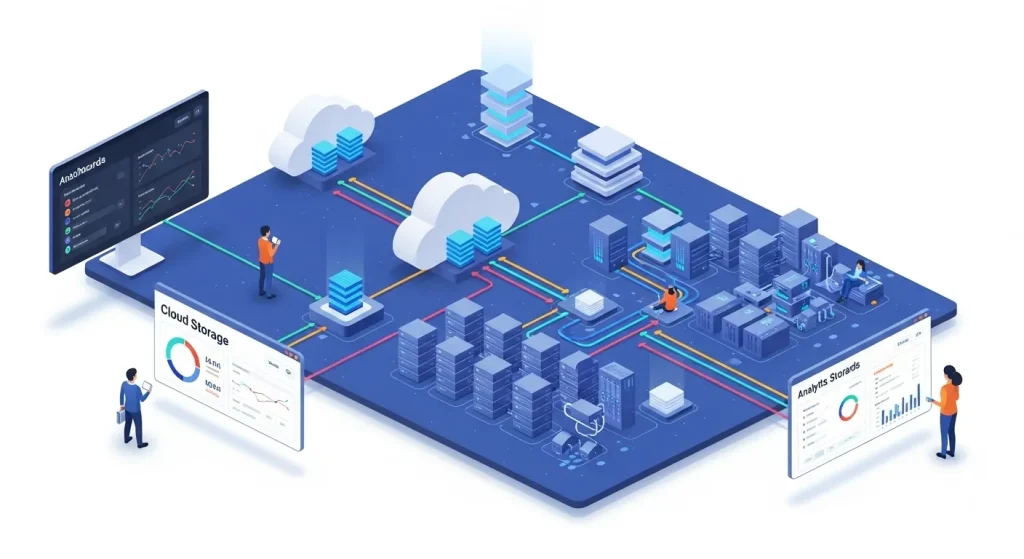
Modern data platforms are built on several interconnected components, each serving a specific function in the data lifecycle:
- Data Ingestion: Handles the intake of data through batch processing (e.g., scheduled ETL jobs) or streaming (e.g., real-time data from IoT devices or APIs).
- Storage: Includes data lakes for raw data, data warehouses for structured data, and hybrid systems for flexibility.
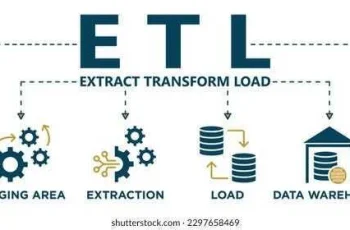
- Processing: Encompasses ETL (Extract, Transform, Load), ELT (Extract, Load, Transform), and stream processing for real-time data manipulation.
- Analytics: Supports BI tools, ML models, and interactive dashboards for actionable insights.
- Governance: Ensures data security, compliance, and metadata management to maintain trust and regulatory adherence.
Architecture Design Patterns
Effective data platform architectures rely on structured design patterns to ensure scalability, flexibility, and maintainability. Below are two widely adopted approaches:
1. Layered Architecture
The layered architecture organizes the data platform into distinct tiers, each handling a specific function:
- Ingestion Layer: Collects data from APIs, databases, streaming sources (e.g., Kafka, RabbitMQ), and IoT devices.
- Storage Layer: Divides data into zones—raw (unprocessed), processed (cleaned), and curated (ready for analytics).
- Processing Layer: Executes ETL/ELT pipelines and data transformations using tools like Apache Spark or Airflow.
- Analytics Layer: Integrates BI tools (e.g., Tableau, Power BI) and ML platforms for predictive modeling and reporting.
- Governance Layer: Manages access control, auditing, and compliance with standards like GDPR or HIPAA.
For instance, a retail company might use this architecture to ingest real-time sales data, store it in a data lake, process it for customer trends, and visualize insights in a BI dashboard.
2. Microservices & Modular Architecture
This approach emphasizes decoupled, modular services for greater agility:
- Decoupled Services: Independent modules for ingestion, processing, and analytics, communicating via APIs.
- Containerization: Tools like Docker and Kubernetes enable scalable, portable deployments.
- Event-Driven Workflows: Event brokers (e.g., Apache Kafka) trigger actions based on data events, such as real-time inventory updates.
- Ease of Maintenance: Modular designs simplify upgrades and troubleshooting.
For example, a financial institution might deploy a microservices-based platform to process transactions, detect fraud, and generate compliance reports independently.
Best Practices for Modern Data Platforms
Building a robust data platform requires adherence to best practices that ensure scalability, security, and data quality.
1. Scalability & Performance Optimization
- Distributed Systems: Use distributed storage (e.g., Hadoop, Snowflake) and compute frameworks for high-volume data.
- Data Partitioning & Sharding: Split data into smaller chunks to improve query performance.
- Indexing & Caching: Optimize queries with indexing and cache frequently accessed data.
- Auto-Scaling: Leverage cloud-native services (e.g., AWS Lambda, Azure Synapse) to dynamically adjust resources.
- Monitoring: Continuously track performance metrics to identify bottlenecks.
2. Security & Compliance
- Encryption: Secure data at rest and in transit using AES-256 or TLS protocols.
- Role-Based Access Control (RBAC): Restrict access based on user roles to prevent unauthorized data exposure.
- Monitoring & Auditing: Deploy tools to detect anomalies and maintain detailed audit logs.
- Compliance Automation: Automate checks for regulations like CCPA, GDPR, or SOC 2.
- Data Anonymization: Protect sensitive data by masking or anonymizing personally identifiable information (PII).
3. Data Quality & Governance
- Data Validation: Implement checks to ensure data accuracy and consistency.
- Metadata Management: Use tools like Apache Atlas or Collibra to catalog data assets and track lineage.
- Data Stewardship: Assign roles to oversee data quality and policy enforcement.
- Policy Reviews: Regularly update governance policies to align with evolving regulations and business needs.
Real-World Use Cases
Modern data platforms power a wide range of applications across industries:
1. Business Intelligence
- Real-Time Dashboards: Provide executives with live KPI tracking.
- Self-Service Analytics: Empower teams to explore data without heavy IT reliance.
- Predictive Modeling: Forecast trends, such as customer churn or sales growth.
- Executive Reporting: Deliver actionable insights for strategic decisions.
2. Industry-Specific Applications
- Healthcare: Integrate patient records and clinical data for personalized care and analytics.
- Finance: Enable real-time fraud detection and risk modeling for secure transactions.
- Retail: Optimize inventory and personalize customer experiences through data-driven insights.
- Manufacturing: Use IoT data for predictive maintenance and process automation.
Industry Trends (2023-2025)
The data platform landscape is evolving rapidly, driven by technological advancements and organizational needs:
- Data Mesh: A decentralized approach to data ownership, enabling domain-specific teams to manage their data (Source: Gartner, 2024).
- AI-Driven Analytics: Automated insights powered by AI and ML, reducing manual analysis (Source: McKinsey, 2023).
- Serverless Data Platforms: Elastic, cost-efficient platforms that scale automatically (Source: IDC, 2025).
- Hybrid Cloud Adoption: Combining on-premises and cloud systems for flexibility and cost savings.
- Real-Time Data Processing: Increased focus on streaming analytics for instant decision-making.
Unique Insights & Strategic Value
While many organizations prioritize tools like Snowflake or Databricks, the true value of a data platform lies in its architecture. A well-designed platform integrates scalability, governance, and analytics seamlessly, avoiding silos and inefficiencies. The future will see greater adoption of cloud-native, serverless, and AI-driven components, enabling organizations to stay agile in a fast-changing data landscape.
Strategies to Future-Proof Your Data Platform
To ensure long-term success, organizations should:
- Adopt modular, cloud-native architectures for flexibility.
- Invest in automation for governance and compliance.
- Continuously monitor industry trends, such as data mesh and AI analytics.
- Train teams on modern tools and best practices to maximize platform value.
FAQ
Q1: What is the primary benefit of a modern data platform?
A1: It provides unified, scalable data management, enabling real-time analytics and business intelligence across diverse data sources.
Q2: How can organizations secure their data platforms?
A2: Implement encryption, RBAC, continuous monitoring, and automated compliance checks to safeguard data and meet regulatory standards.
Q3: What challenges do organizations face in building data platforms?
A3: Common challenges include data integration, ensuring scalability, maintaining governance, and optimizing cost-performance trade-offs.
Q4: How can teams future-proof their data platforms?
A4: Use modular architectures, automate governance, and stay informed about trends like data mesh and serverless platforms.
Conclusion & Next Steps
Modern data platform architectures are critical for organizations aiming to leverage data for strategic advantage. By focusing on scalability, security, and governance, businesses can build platforms that deliver real-time insights and adapt to future needs. Share your experiences in the comments, subscribe for updates, and explore related topics like data mesh, serverless platforms, and AI-driven analytics to enhance your data strategy.
Related Resources:
- Data Platforms Evolution
- Data Integration and ETL Best Practices
- Big Data Analytics Solutions