In the fast-paced, data-driven landscape of modern business, organizations grapple with vast amounts of information from diverse sources. With 80-90% of digital data being unstructured, mastering data management is essential. This guide explores data integration vs ETL, highlighting their differences, benefits, and ideal applications to help streamline your processes.
Understanding Data Integration
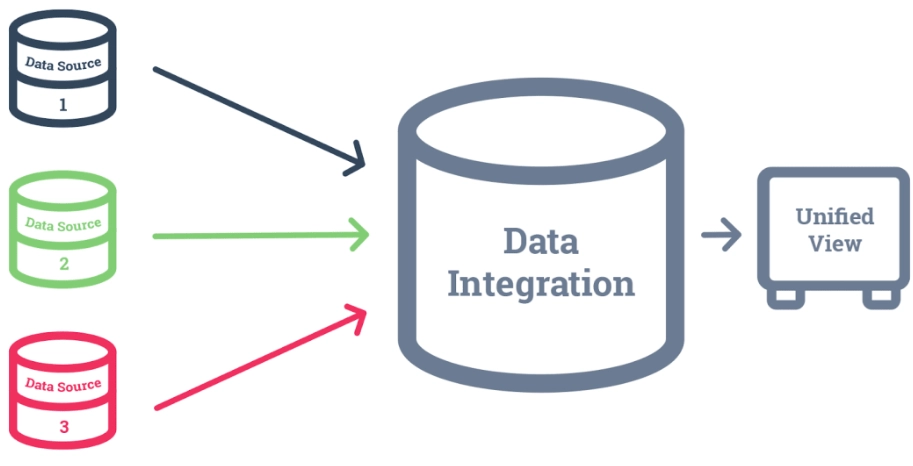
Data integration merges data from multiple sources into a unified view, even if stored in varied formats or locations. Its core aim is establishing a “single version of the truth” through master data management, enabling better decision-making.
Businesses interact with numerous systems, databases, and apps, each holding isolated insights. Data integration centralizes this information, revealing operational strengths and weaknesses. Regular updates ensure accuracy amid evolving needs, making data integration a versatile tool for enterprise-wide cohesion.
Demystifying ETL (Extract, Transform, Load)
ETL is a specialized data integration process focused on preparing data for analytics. It extracts data from sources like databases, APIs, and IoT devices; transforms it via cleansing, aggregation, and formatting; and loads it into warehouses or marts.
Extract Phase
Data is pulled using full, partitioned, or incremental methods to optimize efficiency.
Transform Phase
Raw data undergoes filtering, calculations, and audits for quality and compliance.
Load Phase
Transformed data is inserted with monitoring, error handling, and scheduling—often in batches during off-hours.
ETL excels in building robust data warehouses for business intelligence.
Key Differences: Data Integration vs ETL
While overlapping, data integration and ETL differ in several aspects:
- Scope: Data integration covers broad uses like app integration and real-time analytics. ETL targets data warehousing.
- Methods: Data integration includes ETL, ELT, virtualization, and replication. ETL sticks to extract-transform-load.
- Frequency: Data integration supports real-time, batch, or on-demand workflows. ETL is typically scheduled batch-oriented.
- Output Location: Data integration feeds various targets like lakes or apps. ETL focuses on warehouses.
- Tools: Data integration uses platforms and middleware. ETL employs specialized warehousing tools.
- Data Volume: Data integration handles all scales, including big data. ETL manages high volumes for historical aggregation.
Evolution Beyond Traditional ETL
Modern tools like Estuary Flow advance data integration vs ETL by enabling real-time streaming with SQL and TypeScript transformations. It ensures integrity, scalability, and collaboration, bridging traditional and hybrid environments.
Key Features of Estuary Flow
- Schema controls for precision.
- High-speed CDC up to 7GB/s.
- Encryption for security.
- Compatibility with legacy systems.
- 200+ connectors for diverse sources.
- Automated management to minimize manual work.
Practical Use Cases for Data Integration
Data integration breaks silos for holistic insights:
- Application Integration: Links ERP, CRM for seamless processes.
- Data Lake Ingestion: Organizes big data for analytics.
- Master Data Management: Creates unified records.
- Real-Time Analytics: Streams data for instant monitoring.
- Self-Service BI: Empowers users with centralized data.
- Unified Customer Profiles: Combines channels for personalization.
- Legacy Modernization: APIs expose old data safely.
Industry Examples
- Retail: Optimizes inventory and customer analytics.
- Healthcare: Integrates EHR for patient views and research.
- Finance: Enhances trading and risk management.
- Manufacturing: Improves quality and supply chains.
- eCommerce: Detects fraud and recommends products.
- Energy: Manages assets and smart grids.
- Transportation: Tracks fleets and inventory.
ETL Use Cases for Efficient Transformations
ETL streamlines data for informed decisions:
- Cloud Migration: Shifts warehouses to platforms like Snowflake.
- Data Quality: Ensures compliance via masking and validation.
- Testing Datasets: Loads data for QA.
- Database Admin: Automates maintenance tasks.
- Operational Integration: Feeds real-time dashboards.
- Enterprise Warehousing: Handles large-scale updates.
Industry Examples
- Media: Analyzes audiences and manages metadata.
- Agriculture: Monitors crops and traces supply chains.
- Government: Processes census and emergency data.
- Pharma: Handles genomics and trials.
- Education: Manages admissions and analytics.
- Real Estate: Values properties and CRM.
Choosing Between ETL and Data Integration
Select based on needs: ETL suits high-volume batch tasks; data integration fits real-time, scalable scenarios. ETL is costlier to maintain but ideal for warehouses. Data integration offers flexibility for streams and APIs.
| ETL Works Best For | Data Integration Works Best For |
|---|---|
| Initial data lake loads | Consolidating siloed data |
| BI aggregations | Cloud-on-prem transfers |
| Scheduled warehouse loading | API-based exchanges |
| Legacy migrations | Real-time app sync |
| IoT ingestion for analytics | Federated querying |
Conclusion
Data integration vs ETL isn’t about superiority—it’s about fit. Combine them for optimal results. Tools like Estuary Flow modernize both, handling real-time integration with ease. By aligning approaches to your environment, you’ll enhance efficiency and insights.