Non-Fungible Tokens (NFTs) are revolutionizing the way digital assets are created, owned, traded, and secured. By harnessing the power of blockchain technology, NFTs provide unparalleled security, verifiable ownership, and transformative potential across industries. This article delves into the intricacies of NFT security, explores their benefits, implementation strategies, challenges, and future trends, offering a comprehensive guide for organizations and individuals looking to leverage NFTs for digital asset management.
Introduction to NFTs and Digital Asset Security
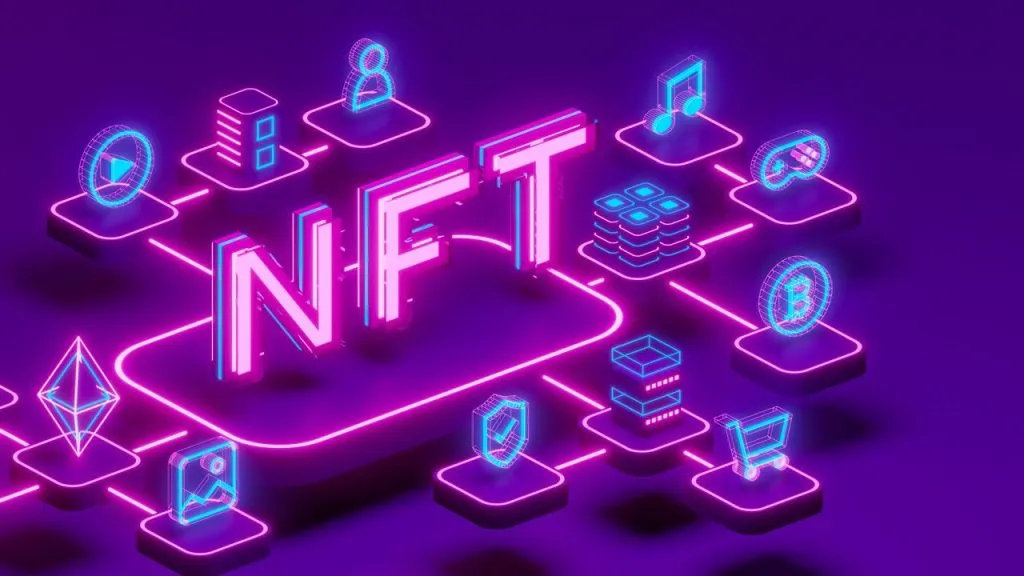
NFTs are unique digital assets stored on a blockchain, ensuring they cannot be replicated or altered. Unlike cryptocurrencies like Bitcoin, which are fungible and interchangeable, NFTs are non-fungible, meaning each token represents a distinct asset with unique characteristics. This uniqueness makes NFTs ideal for representing ownership of digital art, collectibles, real estate, intellectual property, and more.
The integration of blockchain technology ensures that NFTs are secure, transparent, and verifiable. Smart contracts—self-executing agreements coded on the blockchain—further enhance their functionality by automating transactions and enforcing rules without intermediaries. This article explores how NFTs secure digital assets, their implementation strategies, and their potential to reshape industries.
Understanding NFT Security
Core Concepts of NFT Security
NFT security revolves around several foundational elements:
- Digital Ownership: NFTs provide indisputable proof of ownership, recorded immutably on the blockchain.
- Smart Contracts: These programmable contracts automate transactions, ensuring trust and efficiency.
- Asset Verification: Blockchain’s transparent ledger verifies the authenticity and provenance of assets.
- Security Measures: Robust encryption and decentralized storage protect NFTs from tampering or theft.
- Blockchain Integration: NFTs rely on blockchain platforms like Ethereum, Solana, or Polygon for security and scalability.
These components work together to create a secure ecosystem for digital assets, making NFTs a game-changer for industries requiring trust and authenticity.
Benefits of NFT Security
NFTs offer significant security advantages, including:
- Proven Ownership: Blockchain records provide clear evidence of ownership, reducing disputes.
- Asset Authenticity: NFTs ensure assets are genuine, preventing counterfeiting.
- Transaction Security: Cryptographic protocols secure transactions, minimizing fraud.
- Immutable Records: Once recorded, NFT data cannot be altered, ensuring permanence.
- Automated Compliance: Smart contracts enforce regulatory and contractual obligations automatically.
These benefits make NFTs a reliable solution for securing digital assets in an increasingly digital world.
Implementation Strategies for NFT Security
Building an Asset Framework
To implement NFTs effectively, organizations must develop a robust asset framework that includes:
- Asset Standards: Adopt standards like ERC-721 or ERC-1155 to ensure compatibility and functionality.
- Security Protocols: Implement encryption, multi-factor authentication, and secure key management.
- Verification Methods: Use blockchain-based verification to confirm asset authenticity.
- Storage Solutions: Opt for decentralized storage platforms like IPFS to ensure data integrity.
- Access Control: Restrict access to sensitive assets through role-based permissions.
This framework ensures that NFTs are secure, interoperable, and scalable.
Technology Integration
Successful NFT implementation requires seamless integration with existing systems. Key aspects include:
- Blockchain Platform: Choose a platform that aligns with your needs (e.g., Ethereum for robustness, Solana for speed).
- Smart Contract Development: Write secure, audited smart contracts to automate transactions.
- Security Measures: Incorporate firewalls, intrusion detection, and regular security audits.
- User Interface: Design intuitive interfaces for users to interact with NFTs easily.
- System Integration: Ensure compatibility with existing databases, wallets, and marketplaces.
By prioritizing integration, organizations can maximize the efficiency and security of their NFT ecosystems.
Technical Considerations for NFT Implementation
Choosing the Right Blockchain Platform
Selecting a blockchain platform is critical for NFT success. Key requirements include:
- Consensus Mechanism: Proof-of-Stake or Proof-of-Work mechanisms impact security and energy efficiency.
- Smart Contract Support: Platforms must support robust smart contract functionality.
- Security Features: Look for platforms with strong encryption and anti-hacking measures.
- Scalability: Ensure the platform can handle high transaction volumes.
- Interoperability: Choose platforms that support cross-chain functionality for broader adoption.
Popular platforms like Ethereum, Polygon, and Solana offer varying trade-offs in terms of cost, speed, and scalability.
Asset Management Strategies
Effective NFT management involves:
- Asset Creation: Design unique assets with clear metadata to define their properties.
- Ownership Transfer: Use secure protocols to transfer ownership without compromising security.
- Verification Processes: Implement multi-step verification to ensure authenticity.
- Security Measures: Protect assets with encryption and secure storage solutions.
- Storage Solutions: Leverage decentralized storage to prevent data loss or tampering.
These strategies ensure that NFTs remain secure and accessible throughout their lifecycle.
Best Practices for NFT Security
Security Measures
To safeguard NFTs, organizations should follow these guidelines:
- Smart Contract Security: Conduct thorough audits to eliminate vulnerabilities in smart contracts.
- Access Control: Use multi-signature wallets and role-based access to limit exposure.
- Asset Protection: Encrypt sensitive data and use secure storage solutions.
- Risk Management: Identify and mitigate risks through regular security assessments.
- Compliance: Adhere to local regulations and industry standards for data protection.
Asset Protection Strategies
Protecting NFT assets requires a proactive approach:
- Secure Storage: Store NFTs on decentralized platforms like IPFS or Arweave.
- Access Management: Implement strict access controls to prevent unauthorized access.
- Verification Systems: Use blockchain-based tools to verify asset authenticity.
- Backup Solutions: Maintain redundant backups to prevent data loss.
- Recovery Plans: Develop contingency plans for recovering stolen or lost assets.
By adhering to these best practices, organizations can minimize risks and ensure the longevity of their NFT assets.
Use Cases for NFTs
Types of NFT Assets
NFTs have diverse applications across various asset types:
- Digital Art: Artists use NFTs to sell unique digital artworks with verified ownership.
- Collectibles: NFTs power digital collectibles like trading cards and virtual memorabilia.
- Real Estate: Tokenized real estate enables fractional ownership and streamlined transactions.
- Intellectual Property: NFTs protect and monetize IP, such as patents or copyrights.
- Gaming Assets: In-game items, skins, and virtual land are traded as NFTs.
Industry Applications
NFTs are transforming industries, including:
- Art and Media: Enabling artists to monetize their work securely.
- Gaming: Creating vibrant marketplaces for in-game assets.
- Real Estate: Simplifying property transactions and ownership tracking.
- Finance: Facilitating tokenized assets for investment and lending.
- Entertainment: Offering exclusive content and fan experiences through NFTs.
These applications demonstrate the versatility of NFTs in addressing real-world challenges.
Implementation Challenges
Technical Challenges
Implementing NFTs comes with several technical hurdles:
- Platform Selection: Choosing the right blockchain platform requires balancing cost, speed, and security.
- Security Requirements: Ensuring robust security measures without compromising usability.
- Scalability Needs: Handling large transaction volumes without performance degradation.
- Integration Complexity: Aligning NFTs with existing systems and workflows.
- Performance Optimization: Minimizing latency and transaction costs.
Operational Challenges
Operational considerations include:
- User Adoption: Educating users about NFT benefits and usage.
- Regulatory Compliance: Navigating complex and evolving regulations.
- Cost Management: Controlling costs associated with blockchain transactions and storage.
- System Maintenance: Ensuring ongoing system reliability and security.
- Team Training: Equipping teams with the skills to manage NFT ecosystems.
Addressing these challenges requires careful planning and execution.
Case Study: Digital Art Platform Success
A leading digital art platform implemented NFTs to secure its marketplace, achieving remarkable results:
- 80% Reduction in Fraud: Blockchain verification eliminated counterfeit artworks.
- 50% Cost Savings: Automated smart contracts reduced transaction costs.
- Improved Security: Decentralized storage and encryption enhanced asset protection.
- Better User Experience: Intuitive interfaces improved user engagement.
- Enhanced Trust: Transparent ownership records built confidence among users.
This case study highlights the transformative potential of NFTs when implemented effectively.
Future Trends in NFTs
The future of NFTs is bright, with several emerging trends:
- Advanced Security: Innovations in encryption and decentralized storage will enhance NFT security.
- Cross-Chain NFTs: Interoperability between blockchains will expand NFT accessibility.
- AI Integration: AI-driven tools will streamline NFT creation and management.
- Enhanced Privacy: Privacy-focused blockchains will protect user data.
- Wider Adoption: NFTs will penetrate new industries, from healthcare to education.
These trends suggest that NFTs will continue to evolve, offering new opportunities for innovation.
Frequently Asked Questions (FAQ)
What are the main security benefits of NFTs?
NFTs provide proven ownership, asset authenticity, transaction security, and immutable records, making them a secure solution for digital assets.
How can organizations implement NFT security?
Organizations should develop a robust asset framework, integrate secure blockchain technology, and implement best practices for security and asset protection.
What are the key challenges in NFT implementation?
Challenges include platform selection, security requirements, scalability, integration complexity, and user adoption.
Conclusion
NFTs are reshaping the landscape of digital asset ownership and security. By leveraging blockchain technology and smart contracts, NFTs offer unparalleled benefits in terms of authenticity, transparency, and trust. Organizations can unlock these benefits by adopting robust implementation strategies, adhering to best practices, and addressing technical and operational challenges. As NFTs continue to evolve, their potential to transform industries like art, gaming, real estate, and finance will only grow.
Next Steps for NFT Implementation
Ready to embrace NFT security? Follow these steps:
- Develop an Asset Framework: Define standards, security protocols, and verification methods.
- Select the Right Technology: Choose a blockchain platform that meets your needs.
- Plan Security Measures: Implement encryption, access controls, and audits.
- Test and Deploy: Validate your NFT solution before full-scale deployment.