Key Takeaways
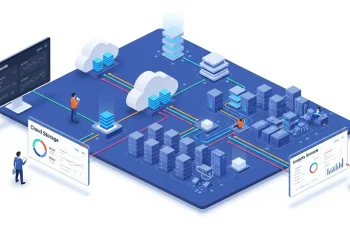
- Real-time analytics at the edge enables instant data processing
- Reduced latency and bandwidth costs through local processing
- Enhanced decision-making capabilities with real-time insights
- Improved operational efficiency and resource utilization
- Strengthened privacy, security, and compliance
Introduction to Edge Analytics
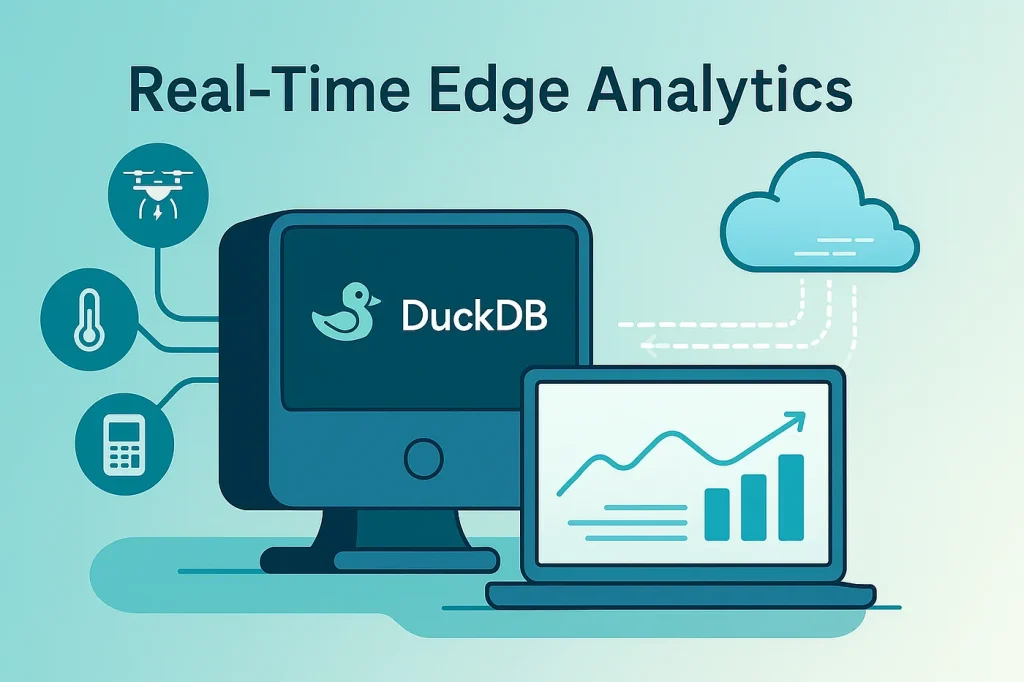
In today’s highly connected world, the volume of data generated by devices, sensors, and applications is growing at an unprecedented pace. Traditional cloud-based analytics, while powerful, often struggles with latency, high bandwidth costs, and security challenges. Edge analytics is redefining how organizations collect, process, and analyze information.
By moving computation closer to the data source—whether in industrial machines, IoT devices, or retail systems—analytics at the edge enables real-time insights, cost savings, and greater resilience. Businesses that embrace edge computing can optimize their operations, respond instantly to changing conditions, and enhance customer satisfaction.
Understanding Edge Analytics
Core Concepts
Edge analytics is built on several foundational principles:
- Local data processing: Analytics takes place near the data source, not in a centralized data center.
- Real-time analysis: Insights are delivered as events occur, critical for time-sensitive scenarios.
- Distributed computing: Processing is shared across multiple nodes to increase scalability and reliability.
- Data filtering: Only relevant insights, not raw data, are transmitted to the cloud, reducing bandwidth usage.
- Result aggregation: Summarized results from multiple devices or systems support high-level decision-making.
Benefits of Edge Analytics
The adoption of edge-based analytics delivers several advantages:
- Reduced latency: Quick response times are essential for industrial automation, autonomous systems, and smart cities.
- Lower bandwidth costs: Sending only processed data minimizes reliance on expensive cloud transmission.
- Improved privacy: Sensitive data can remain local, reducing regulatory risk.
- Enhanced reliability: Edge devices continue operating even with weak or lost network connectivity.
- Better scalability: Distributed models can scale seamlessly as organizations expand infrastructure.
Strategies for Implementation
Data Processing Pipeline
Designing an effective edge analytics pipeline involves several considerations:
- Data collection via IoT sensors, machines, or devices
- Algorithms for filtering, quality checks, and feature extraction
- Local storage for immediate buffering and retrieval
- Analysis techniques, including predictive modeling and anomaly detection
- Distribution of processed results to central systems or decision-makers
Analytics Framework
Building a robust analytics framework requires integrating critical components:
- Processing engines capable of handling large-scale streaming data
- Analytics models that use machine learning for predictive capabilities
- Visualization tools so decision-makers can act quickly on insights
- Monitoring systems for real-time tracking of performance and anomalies
- Integration capabilities to connect with enterprise systems like ERP or CRM
Practical Use Cases
Industrial Applications
In the industrial sector, edge analytics drives efficiency, sustainability, and risk management. Common scenarios include:
- Predictive maintenance of factory equipment to prevent costly downtime
- Quality control through real-time defect detection in production lines
- Process optimization for energy consumption and throughput
- Asset tracking across supply chains for visibility and control
- Performance monitoring to maximize resource utilization
Commercial Applications
Businesses in retail, logistics, and services benefit from:
- Customer analytics to personalize sales offers and experiences
- Inventory management that reacts instantly to real-time demand signals
- Supply chain optimization through predictive insights and faster adjustments
- Security monitoring with on-site analytics reducing cloud dependency
- Smart resource allocation that increases profitability
Technical Considerations
Infrastructure Requirements
An effective edge system depends on:
- Sufficient processing power for analytics workloads
- Local storage capacity for short-term and long-term needs
- Reliable network connectivity for hybrid cloud-edge architectures
- Energy efficiency and power management for IoT devices
- Cooling systems to extend hardware life in critical environments
Software Architecture
Software choices determine scalability and long-term success:
- Microservices for modular and flexible deployments
- Containerization to improve portability and scaling
- Data pipelines for efficient data flow and transformation
- Analytics engines designed for streaming and batch processing
- Management tools for orchestration, monitoring, and compliance
Performance Optimization
Processing Efficiency
Organizations can maximize processing performance by:
- Applying data compression to minimize storage and transmission needs
- Using batch processing for scheduled, non-time-sensitive analysis
- Leveraging parallel computing to enhance throughput
- Prioritizing resource allocation for mission-critical tasks
- Employing cache management for faster responses
Resource Management
Optimizing resources ensures sustainability and cost-effectiveness:
- Load balancing across devices to avoid bottlenecks
- Power-efficient algorithms for IoT and mobile devices
- Storage optimization through tiered approaches
- Network utilization planning to prevent slowdowns
- Continuous cost management via monitoring dashboards
Security and Privacy
Data Protection
Protecting data at the edge is critical, requiring:
- Encryption for data-in-transit and at-rest security
- Access controls to prevent unauthorized system usage
- Anonymization methods to safeguard sensitive information
- Secure communication protocols for reliable device interaction
- Regular audits to validate data integrity and compliance
Compliance
Enterprises must consider:
- Data privacy laws such as GDPR, CCPA, or HIPAA
- Industry-specific standards for security and quality
- Ongoing security audits with detailed logs and trails
- Clear documentation to simplify compliance reporting
Case Study: Retail Analytics Success
A leading retail chain adopted edge analytics for inventory and customer data. The results were transformative:
- Decision-making improved by 50% faster insight delivery
- Operational costs reduced by 35% through local processing
- Inventory accuracy improved with predictive stocking strategies
- Customer engagement enhanced through real-time personalization
- More efficient resource allocation across stores and warehouses
Future Trends in Edge Analytics
As technology evolves, edge computing and analytics will integrate advanced capabilities:
- AI-powered analytics delivering real-time adaptive intelligence
- 5G integration enabling ultra-low latency for connected devices
- Interactive and advanced visualization for business leaders
- Autonomous systems operating independently in smart cities and factories
- Emergence of edge-native applications specifically built for distributed computing
FAQ
What are the main benefits of real-time analytics at the edge?
They include reduced latency, lower bandwidth costs, greater reliability, improved privacy, and faster decision-making.
How does edge analytics improve decision-making?
It delivers insights in real time, enabling organizations to respond instantly to operational or market changes.
What should organizations consider before implementing edge analytics?
They should evaluate infrastructure readiness, data requirements, compliance obligations, and long-term scalability goals.
Conclusion
Edge analytics is no longer a futuristic concept but a practical necessity for businesses seeking competitive advantage. By analyzing data at the source, companies can reduce costs, strengthen reliability, protect sensitive information, and accelerate decision-making. As industries connect more devices and demand faster responses, real-time edge analytics will play an increasingly central role in digital transformation strategies.
Next Steps
If your organization is ready to adopt edge analytics, begin by:
- Assessing data processing needs and pain points
- Evaluating hardware and software solutions for edge environments
- Designing a scalable deployment strategy
- Testing, monitoring, and refining your implementation
For more insights into edge computing trends and strategies, explore our dedicated resources in the Edge Computing section.